The Pursuit of Flavor: How Japanese Chefs Go to Extremes
From restaurants that transport water from Kanazawa to whisky pioneers who trained in Scotland—examining the craftsman mentality that underpins Japanese food culture.
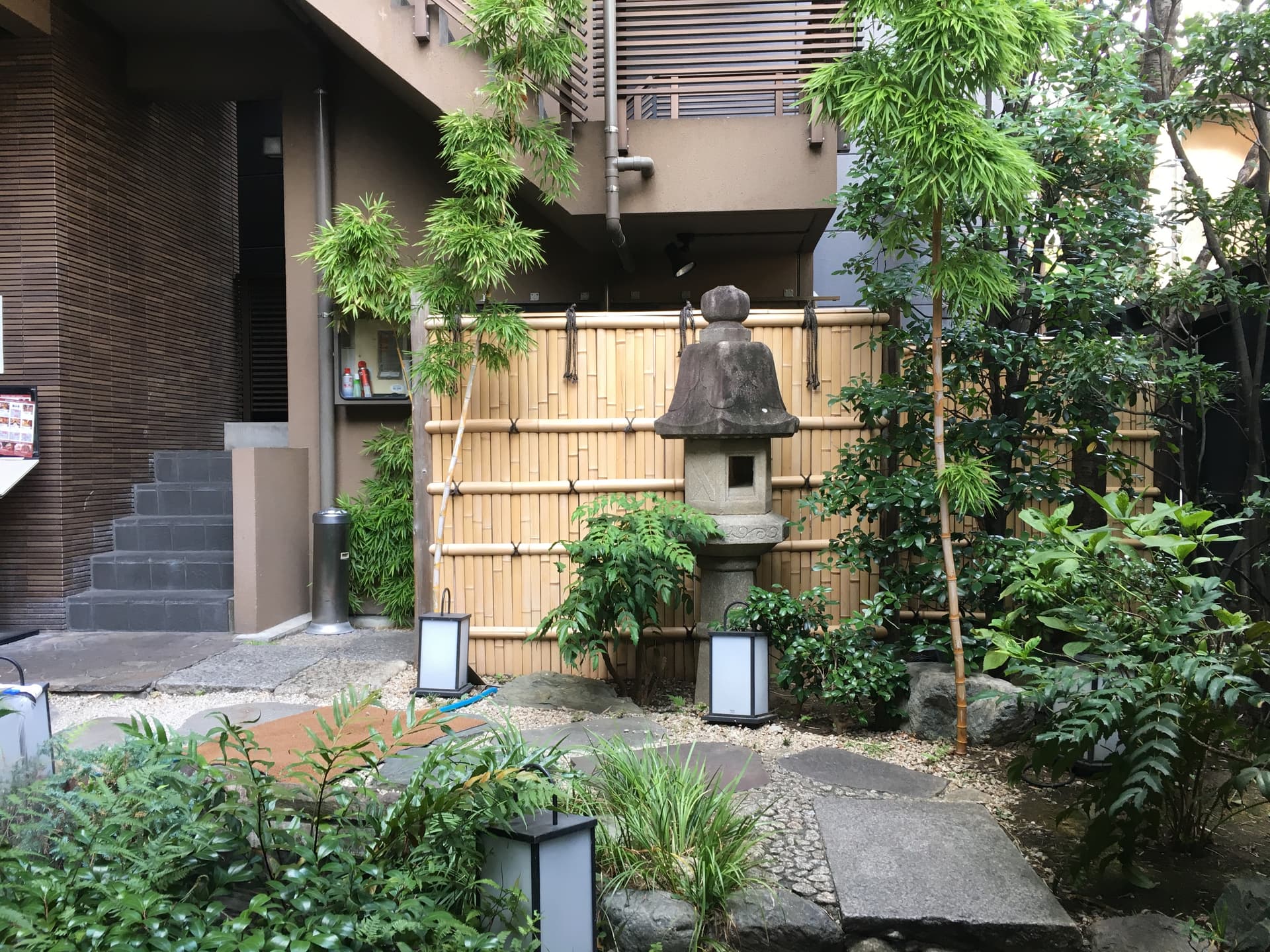
Transporting Water: A Case Study
In Akasaka, there is a ryotei called Asada—the Tokyo outpost of a historic Kanazawa establishment, known for hosting political and business figures. A notable detail about this restaurant: Asada reportedly transports not only ingredients but also water from Kanazawa to Tokyo.
To recreate Kanazawa's flavor in the capital, they change the water. Water affects dashi, and dashi affects the entire dish—a chain reaction that informs this decision. This case exemplifies the intensity with which Japanese chefs pursue flavor.
The Question: How Far Will You Go?
Not all chefs take the same approach. Some adhere to a philosophy of local sourcing: "What this land produces should be eaten on this land." Others source globally, importing salt from Italy, butter from France, and kombu from Hokkaido—pursuing quality without geographic constraints.
Neither approach is inherently superior. What they share is a commitment: "For flavor, we will go as far as necessary."
The Same Spirit in Whisky Production
This intensity extends beyond restaurants. The history of Japanese whisky demonstrates a similar ethos.
Two figures are credited with establishing Japan's whisky industry: Shinjiro Torii, founder of Suntory, and Masataka Taketsuru, founder of Nikka Whisky. In 1918, Taketsuru traveled to Scotland to study distillation techniques at local facilities—an unprecedented undertaking for a Japanese person at the time. Upon returning, he dedicated his life to producing whisky in Japan that could rival Scotch.
Water Quality in Distillery Selection
When selecting distillery locations, Taketsuru prioritized water quality above all else. He chose Yoichi in Hokkaido partly for its climate resembling Scotland and its access to pristine water sources. Suntory's Yamazaki distillery was chosen on similar grounds. Located at the confluence of three rivers on the Kyoto-Osaka border, Yamazaki has long been recognized for its water quality. According to company history, Torii personally tasted the river water before deciding on the location.
These examples illustrate the lengths to which Japanese craftspeople go in pursuit of authenticity.
Extremes Across Culinary Disciplines
Many Japanese chefs push the question "How far will you go for flavor?" to extreme levels.
Sushi chefs meticulously select fish sources while also spending years perfecting rice variety, water, and vinegar ratios. Yakitori specialists obsess over binchotan charcoal origins, burning techniques, and heat control, often butchering chickens themselves to assess each day's quality before adjusting their cooking. Tempura chefs control oil temperature to single-degree precision and verify batter thickness with each batch. Soba masters refine water temperature, flour milling, and kneading rhythm.
Some chefs contract directly with farmers to obtain specific vegetables in ideal condition, consulting on cultivation methods. They rebuild supply chains from scratch to achieve their desired flavor profile. The word "dedication" does not adequately capture this behavior—"obsession" is more accurate.
Depth That Cannot Be Judged from Appearance
This obsession underlies Japan's international culinary reputation. However, it also creates barriers for outsiders.
A nondescript small establishment—eight counter seats in a location away from the station—may be run by a chef with over 20 years of specialized experience, where every choice from ingredient selection to cooking method has a rationale. Such restaurants exist throughout Japan in considerable numbers. Yet their quality cannot be assessed from the exterior. Menus are often Japanese-only; some display no prices. Information about reservation procedures or what to expect is frequently unavailable.
This creates what might be called the "inaccessibility" of Japanese food culture.
The Position of LocalWays
LocalWays does not aim to replace Michelin or Tabelog. Rating chefs or ranking establishments is not its purpose.
LocalWays aims to connect "the world of craftsmanship" with "user intent."
"It's an anniversary, so I want something special."
"This is my first sushi experience, so I'd prefer somewhere that can explain in English."
"I want to quietly watch a craftsman work from a counter seat."
"I want to casually enjoy some local ramen."
LocalWays seeks to understand the experience users are seeking and suggest matching establishments. Budget expectations, time constraints, course length, reservation requirements—"useful information before visiting" is explained in natural language.
Assisting those at the entrance to the world that Japanese chefs have built over decades—that is LocalWays' function.
The Answer to "How Far Will You Go?"
What Japanese chefs share is that their answer to this question is invariably "one step further." Transport water from Kanazawa. Study technique in Scotland. Test charcoal from multiple regions. Work with farmers for years to develop an ideal vegetable.
Is It Flavor—Or Devotion to Authenticity?
A question emerges here. Consider again the ryotei that transports water from Kanazawa. If one were to conduct a blind taste test comparing dashi made with Tokyo tap water versus Kanazawa water, how many people could actually detect the difference? Scientific analysis might reveal the flavor variance to be exceedingly subtle.
Yet perhaps that misses the point entirely. What Japanese chefs pursue may not be "flavor" in isolation, but rather "being authentic"—a devotion to authenticity itself.
If you are serving Kanazawa cuisine in Tokyo, you use Kanazawa water. Because that is correct. If you are making Scotch-style whisky in Japan, you faithfully replicate Scottish methods. Because that is authentic. Whether the flavor difference is detectable may, in fact, be a secondary concern.
This devotion to authenticity runs deep in Japanese craftsman culture. Following proper procedures, refusing to compromise, attending to every detail—these are valued as virtues in themselves. Separate from whether the outcome tastes better, there exists an attitude of "this is how it should be done, therefore we do it this way."
The existence of such individuals shapes Japanese food culture. Making the door to their world easier to open is what LocalWays endeavors to do.
Note: LocalWays is an AI assistant developed to bridge the information gap in Japan's restaurant scene. For questions or feedback, please contact us at info@localways.shop.