Kagurazaka: Tokyo's Hidden Gourmet District and the "Ichigen-san Okotowari" Custom
An examination of Kagurazaka's concentration of approximately 500 restaurants and the traditional Japanese practice of reservation-only dining.
Geographic Character of Kagurazaka
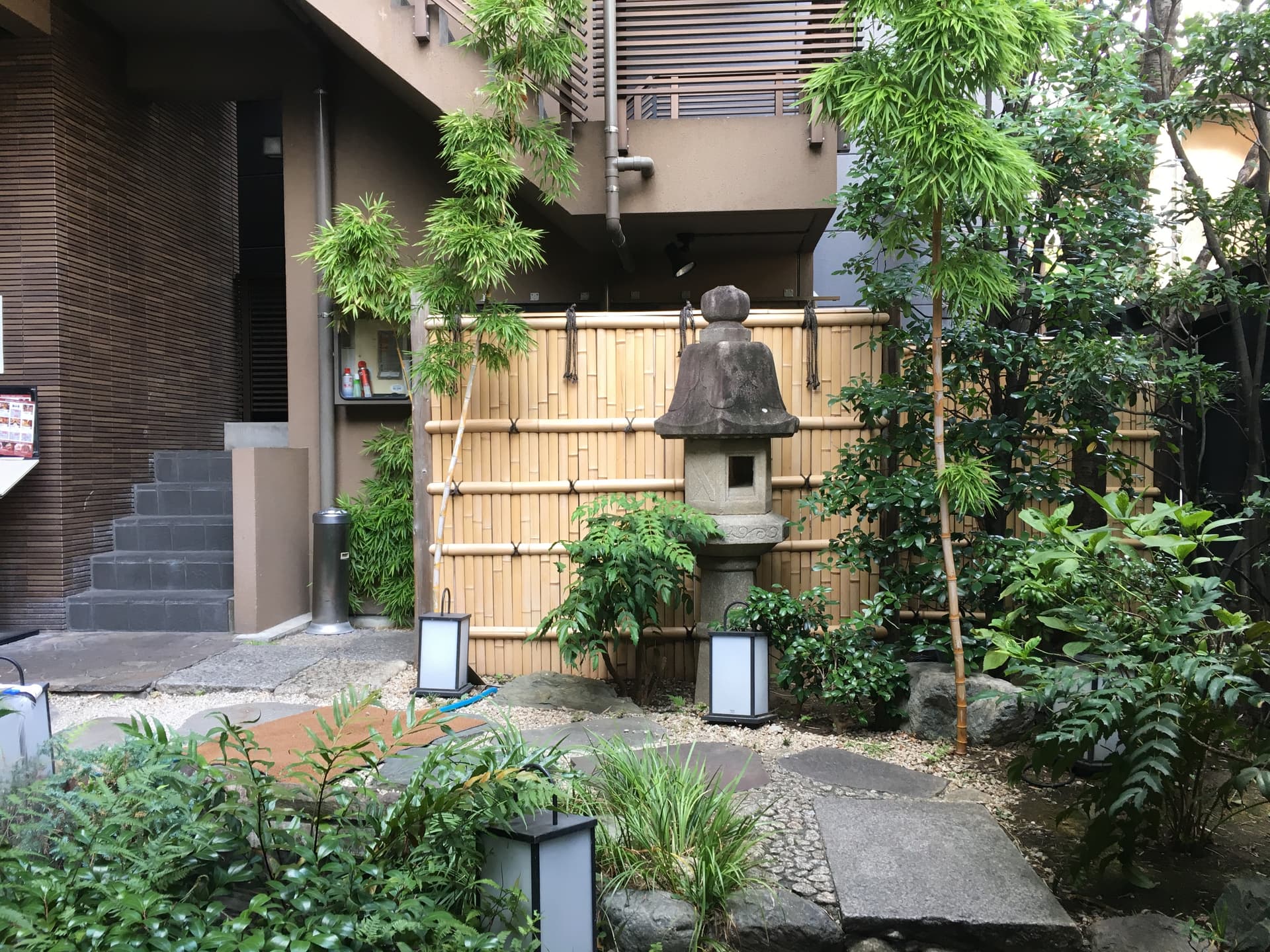
Kagurazaka is located in Tokyo's Shinjuku ward, centered on a sloped avenue extending from Iidabashi Station along Waseda-dori. The main street is lined with restaurants spanning multiple cuisines—French bistros, Italian trattorias, Japanese establishments, and cafes. However, the district's defining characteristic lies in the narrow alleys branching off from this thoroughfare.
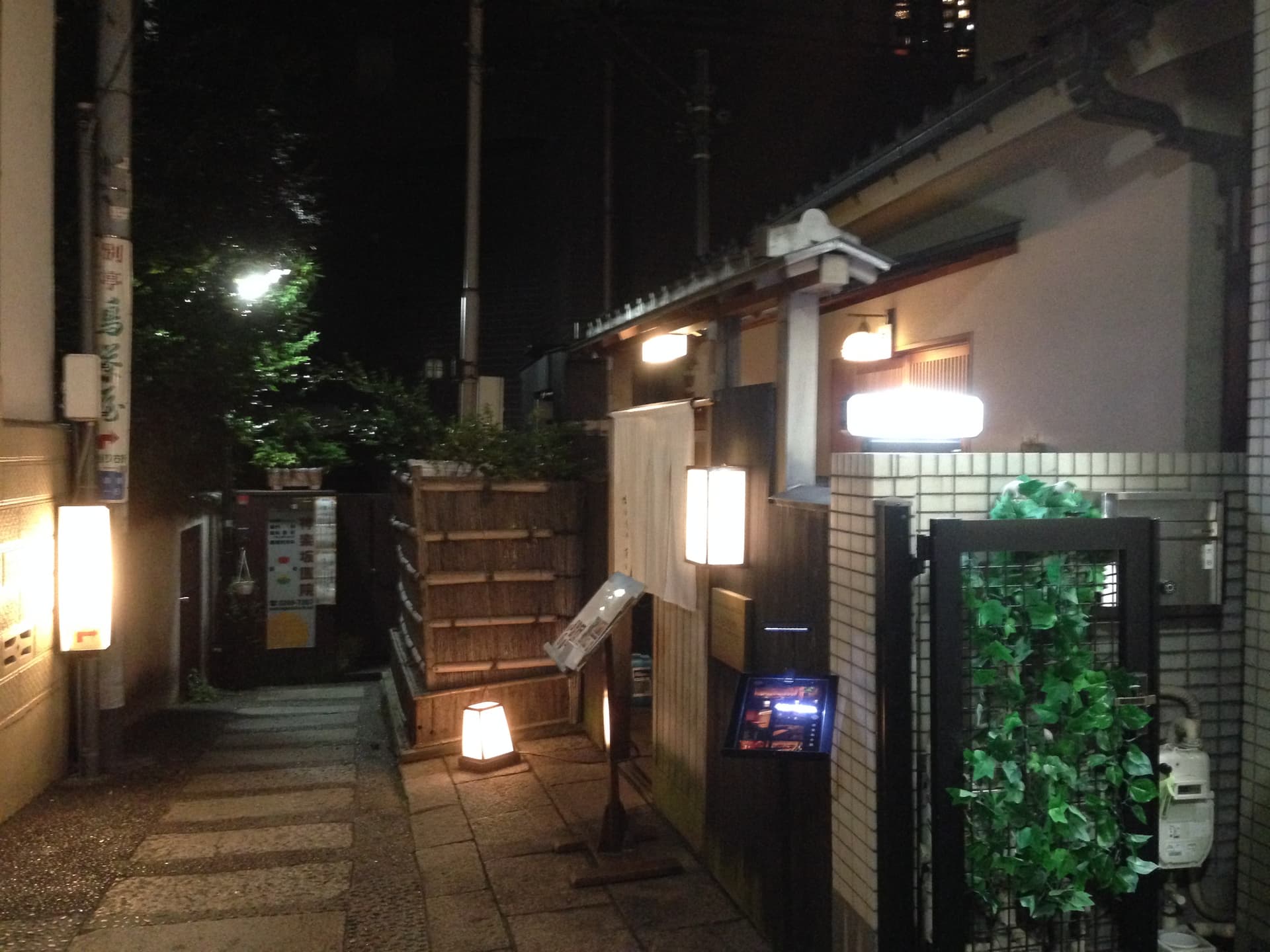
Stone-paved paths, understated signage, and soft lantern light at ryotei entrances create an atmosphere of tranquility that contrasts sharply with the bustle of the main street. This juxtaposition of "front" and "back" defines Kagurazaka's urban character.
Concentration of Dining Establishments
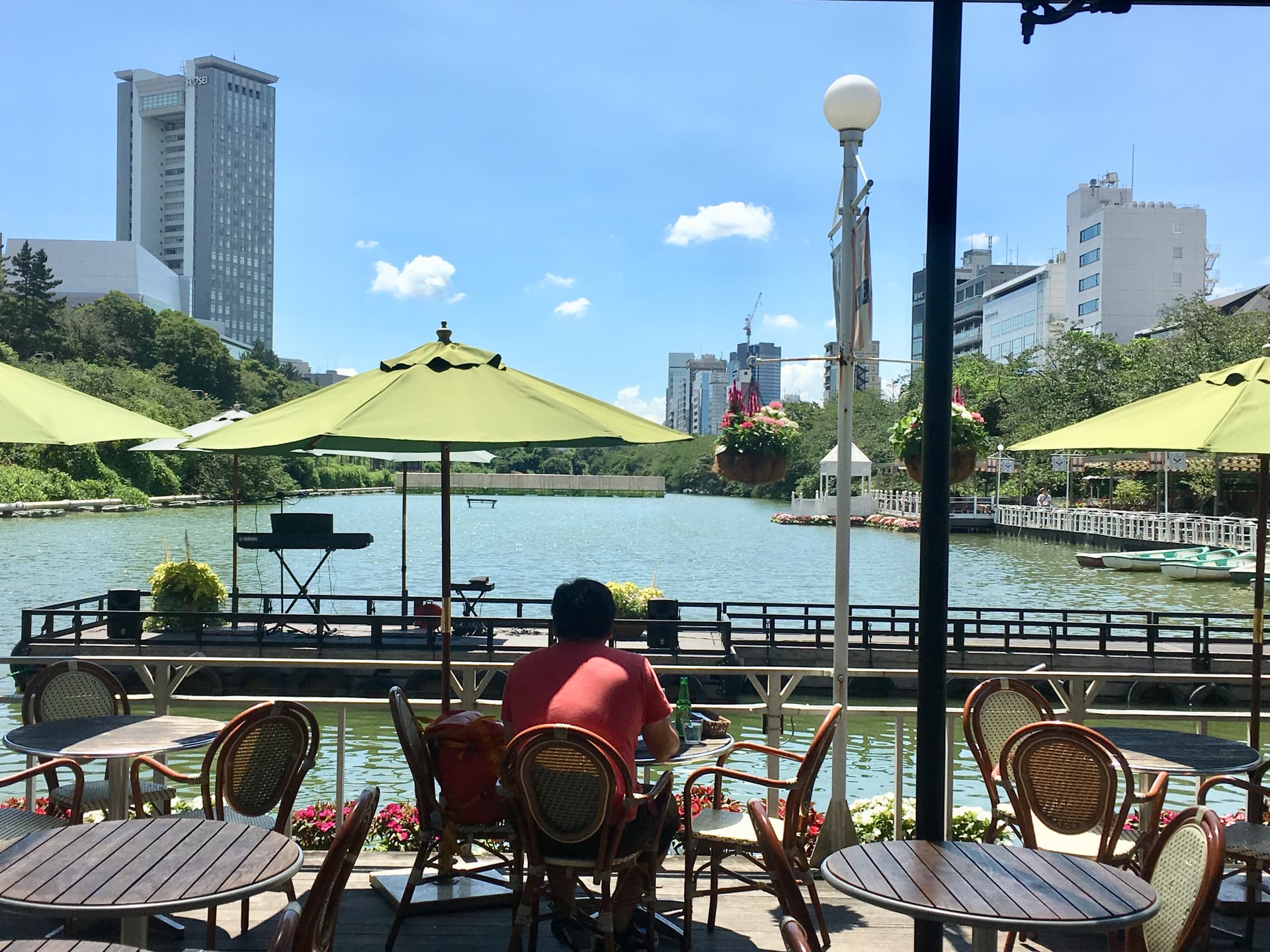
Kagurazaka is sometimes called a "hidden gourmet district" or "Little Paris." This compact area contains approximately 500 dining establishments, ranging from small izakayas to high-end kaiseki restaurants and formal French dining rooms. More than 20 restaurants in the area hold Michelin Guide listings, making it one of Tokyo's most densely concentrated culinary districts.
The prevalence of French restaurants traces partly to the former presence of a French school nearby and the proximity of the Institut Français Tokyo (formerly Maison Franco-Japonaise). As the French expatriate population grew, demand for authentic French cuisine increased, which in turn attracted diners seeking quality culinary experiences—creating a self-reinforcing cycle.
The essential character of Kagurazaka, however, extends beyond French cuisine. It is more accurately described as a district where establishments across all genres pursue culinary excellence.
The Alley Network and Dual Identity
Kagurazaka's topography is distinctive. From the main thoroughfare of Waseda-dori, narrow lanes with names like "Hyogo Yokocho," "Kakurenbo Yokocho," and "Geisha Shindo" extend in a web-like pattern. Walking only the main street reveals less than half of what this neighborhood offers.
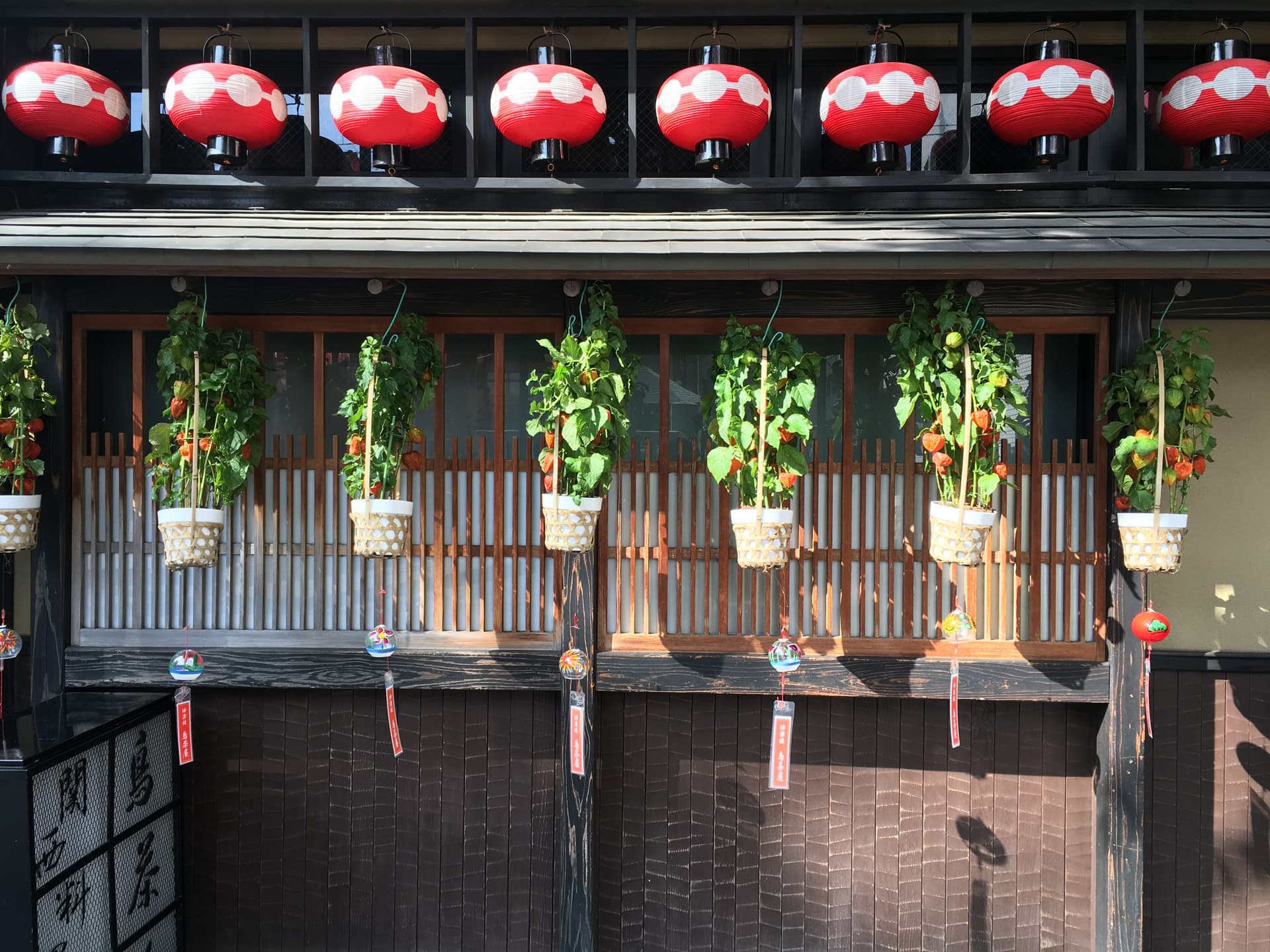
Within the alleys, traditional restaurants appear behind black wooden fences. Bamboo blinds hang at entrances, concealing the interior. What cuisine is served, what prices are charged—none of this is visible from outside. This opacity exemplifies Kagurazaka's depth as a dining destination.
Understanding "Ichigen-san Okotowari"
Japan maintains a traditional practice known as "ichigen-san okotowari" (一見さんお断り), which translates as "first-time customers without an introduction are not accepted." This custom is most commonly associated with Kyoto's geisha districts and high-end ryotei, but exists in certain Tokyo establishments as well.
A clarification is necessary, as this practice is frequently misunderstood: "ichigen-san okotowari" does not mean refusing foreign customers. Its foundation lies in trust-based customer relationships and continuity. Restaurants accept new customers through introductions from existing trusted patrons. When a regular vouches for a new guest, the restaurant can provide service with confidence.
Reasons Behind This Practice
Several factors underpin this custom. Space constraints are one consideration: a restaurant with only six counter seats and two tables can have its entire atmosphere affected by a single guest. Pricing expectations present another factor: when courses cost tens of thousands of yen, the assumption is that guests understand the price range and service style beforehand, preventing mismatches of expectation.
Service quality maintenance is also relevant. Procurement and preparation are calibrated for small guest counts, making sudden cancellations or unexpected customer types operationally burdensome. Additionally, Japanese hospitality traditions often emphasize building long-term relationships with regular customers over one-time transactions. This practice represents selection rather than exclusion—different philosophies coexisting within the same neighborhood.
Most Kagurazaka Establishments Welcome Walk-ins
A critical point: the vast majority of Kagurazaka restaurants welcome first-time customers. Casual bistros, izakayas, cafes, and ramen shops that accept walk-ins without reservations are numerous. "Ichigen-san okotowari" applies only to certain high-end establishments and ryotei, not to the district as a whole.
Kagurazaka's character derives precisely from this coexistence—casual eateries and special-occasion destinations operate side by side. In the same alley, a bistro serving 1,000-yen lunches may stand adjacent to a ryotei offering 20,000-yen evening courses. This stratification forms an essential part of Kagurazaka's appeal.
Visibility Among International Visitors
Many international visitors do not include Kagurazaka in their itineraries. Tourist traffic concentrates in Shibuya, Shinjuku, Asakusa, and Harajuku—standard destinations—while Kagurazaka remains unfamiliar to many.
Several factors contribute to this pattern. Standard guidebooks and ranking articles rarely feature Kagurazaka due to its lack of prominent tourist attractions. Most Kagurazaka establishments communicate only in Japanese, limiting their visibility in English-language searches. Furthermore, the district's defining qualities—quietude and understated elegance—do not translate readily into the visual content that spreads across social media platforms.
Upon visiting, however, one discovers that Kagurazaka concentrates traditional alleyways, French cultural influence, small shrines and temples, and a high density of quality restaurants within a compact area. For visitors seeking a respite from urban intensity, it represents a viable option.
The LocalWays Approach
LocalWays aims to surface neighborhoods like Kagurazaka—areas that are difficult to discover but offer substantial value.
Consider a query such as: "I'm looking for a calm place to have dinner away from Shibuya's crowds, suitable for a date." In such contexts, Kagurazaka emerges as a relevant option. LocalWays prioritizes conveying context—characteristics and considerations specific to each area—rather than simply listing establishment names.
"This area has many small, quiet restaurants; making a reservation is advisable."
"Many establishments offer counter seating only, which may not accommodate larger groups."
Providing such "useful information before visiting" serves as LocalWays' bridge to Japan's culinary culture.
Note: LocalWays is an AI assistant developed to bridge the information gap in Japan's restaurant scene. For questions or feedback, please contact us at info@localways.shop.